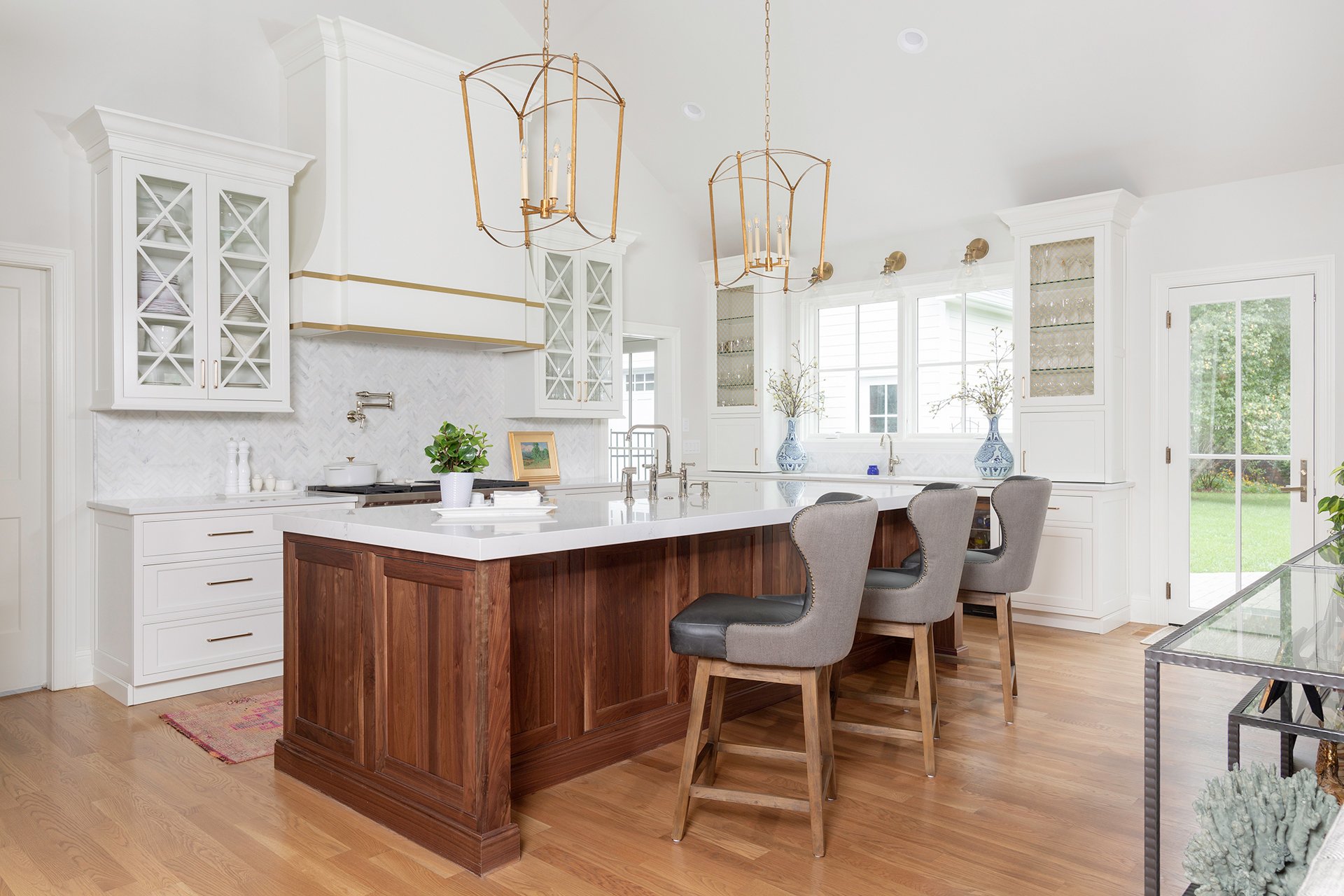
We all love a beautiful kitchen — one with gorgeous cabinetry, stunning countertops, and the right hardware details. But the best kitchens aren’t just pretty. They’re the ones that feel good to live in every day.
That “feel” comes from thoughtful layout decisions: how you move, where items are stored, and how the space functions when you’re cooking, hosting, or just grabbing morning coffee. We design cabinetry that supports both form and function, helping your kitchen work seamlessly with your lifestyle.
Let’s take a look at how to design a kitchen that feels great to use.
1. Start With Flow: How You Move in the Space
Think about how you naturally move through your kitchen — cooking, prepping, serving, cleaning. A good layout reduces unnecessary steps and makes tasks feel effortless.
Common guidelines:
- Keep major work zones connected: sink → prep area → cooktop.
- Avoid bottlenecks, especially around dishwashing and refrigerator zones.
- Place everyday items (plates, glasses, coffee mugs) at easy-to-reach heights.
If you find yourself constantly walking across the kitchen for something — that’s fixable.
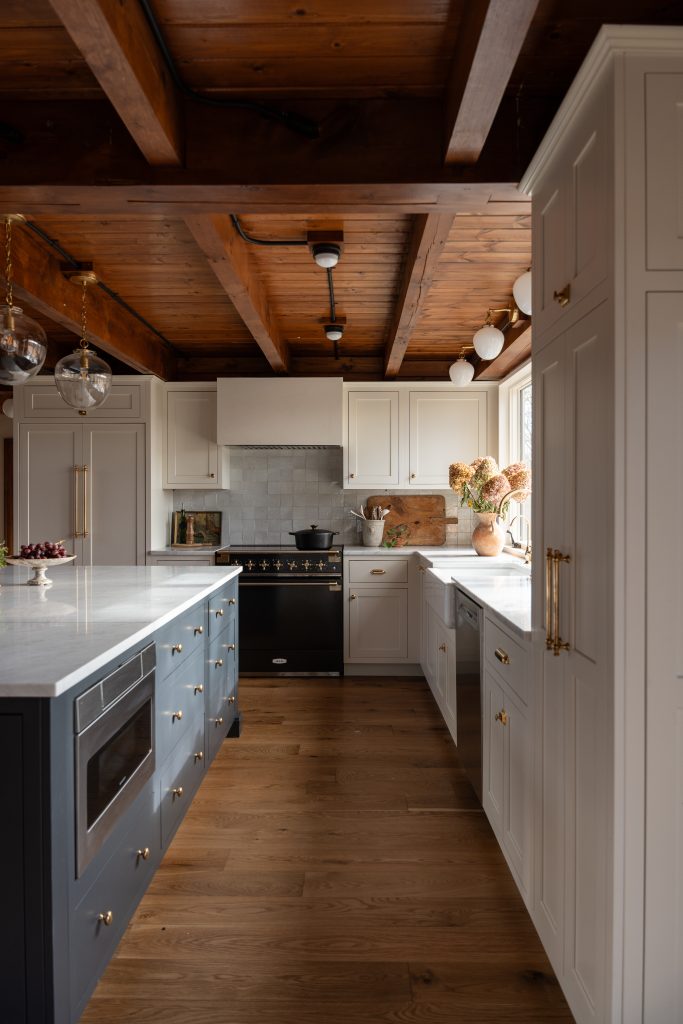
2. Walkways and Movement Space
Crowded walkways make kitchens feel stressful, especially when more than one person is involved.
As a general rule:
- Walkways should be at least 36″ wide
- Work aisles should be 42″– 48″ wide, especially if multiple people cook
Wider isn’t always better. Too much space can feel disconnected, but enough room to move without dodging doors, stools, or appliances makes the kitchen feel calm.
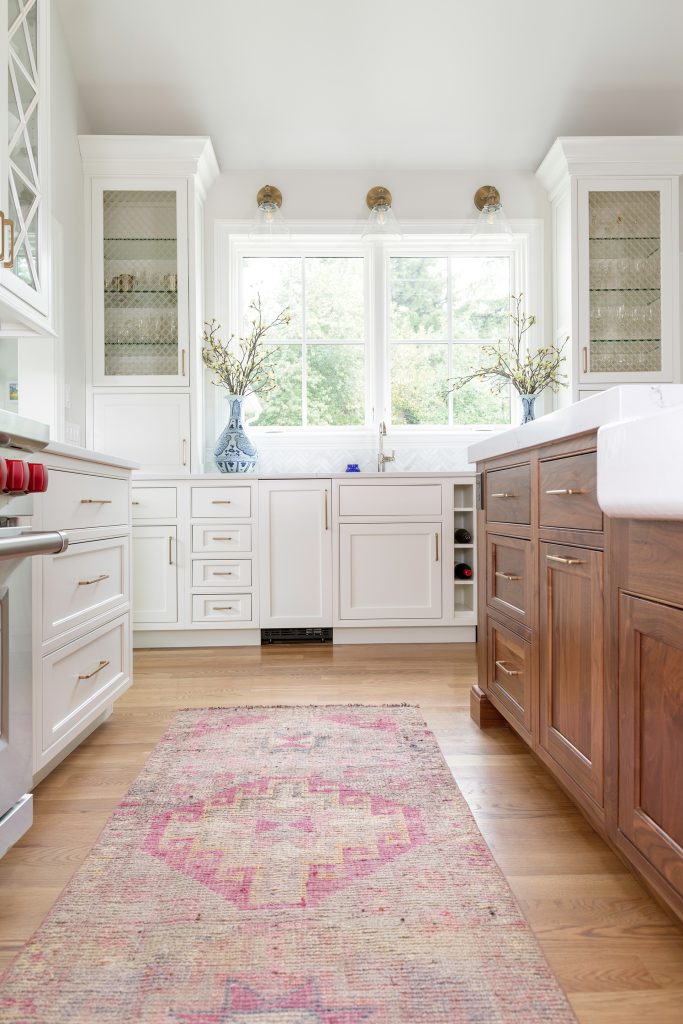
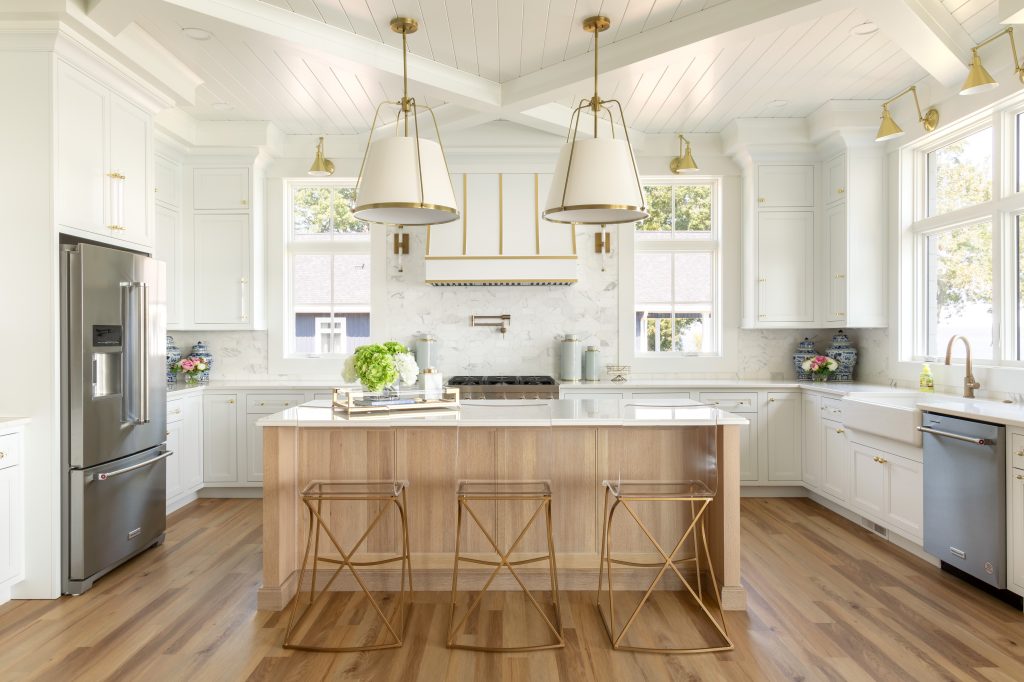
3. Island Size & Placement: The Sweet Spot
Islands are incredibly useful — extra prep space, storage, seating, entertainment, and more. But an island that’s too big or too close to other cabinetry can restrict movement and make the room feel cramped.
A well-designed island:
- Has seating positioned where it won’t block the main cooking zone
- Includes dedicated storage suited to how you use your kitchen (baking tools, kids’ snacks, everyday dishes, etc.)
Customize cabinet sizes, drawer configurations, and storage inserts so your island supports your lifestyle — not a one-size-fits-all template.
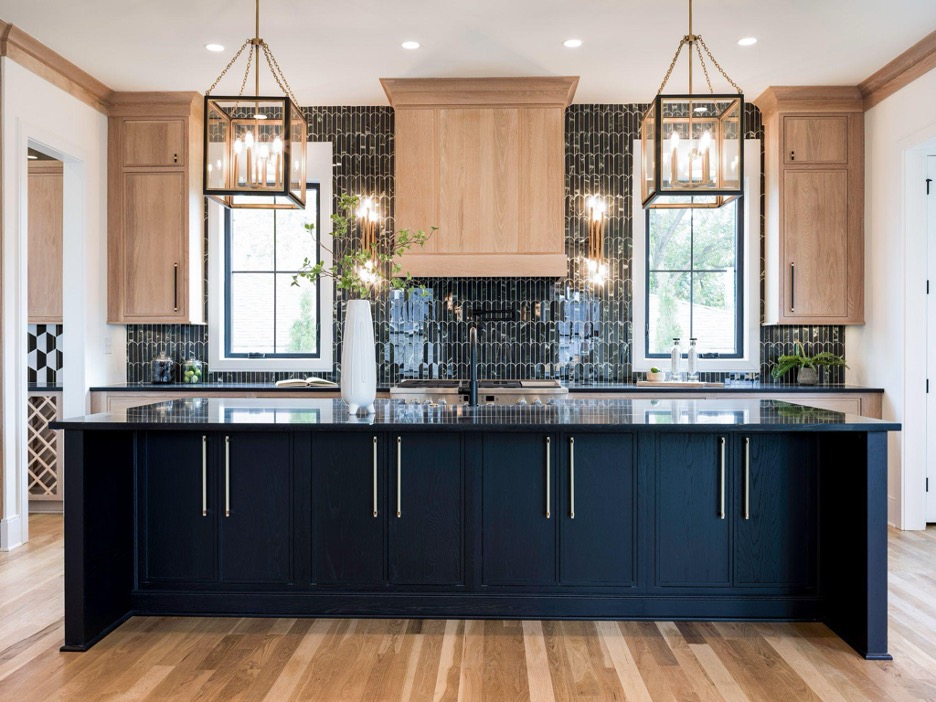
4. Sightlines: Why What You See Matters
The kitchen is often the visual heart of the home. Clear sightlines make the space feel open, organized, and welcoming.
Consider:
- Avoiding upper cabinets on the main view walls for a lighter feel
- Using glass-door cabinets or open shelves strategically, not everywhere
- Keeping countertop clutter minimal through smart cabinet storage
When your kitchen looks calm, it feels calm.
5. Storage Placement Reduces Daily Stress
Location matters. Good storage isn’t just “more space”— it’s the right space in the right place.
Examples:
- Pots and pans stored next to the cooktop
- Spices in a pull-out beside the range
- Dishes near the dishwasher for fast unloading
- Cutting boards stored vertically in a prep-zone drawer
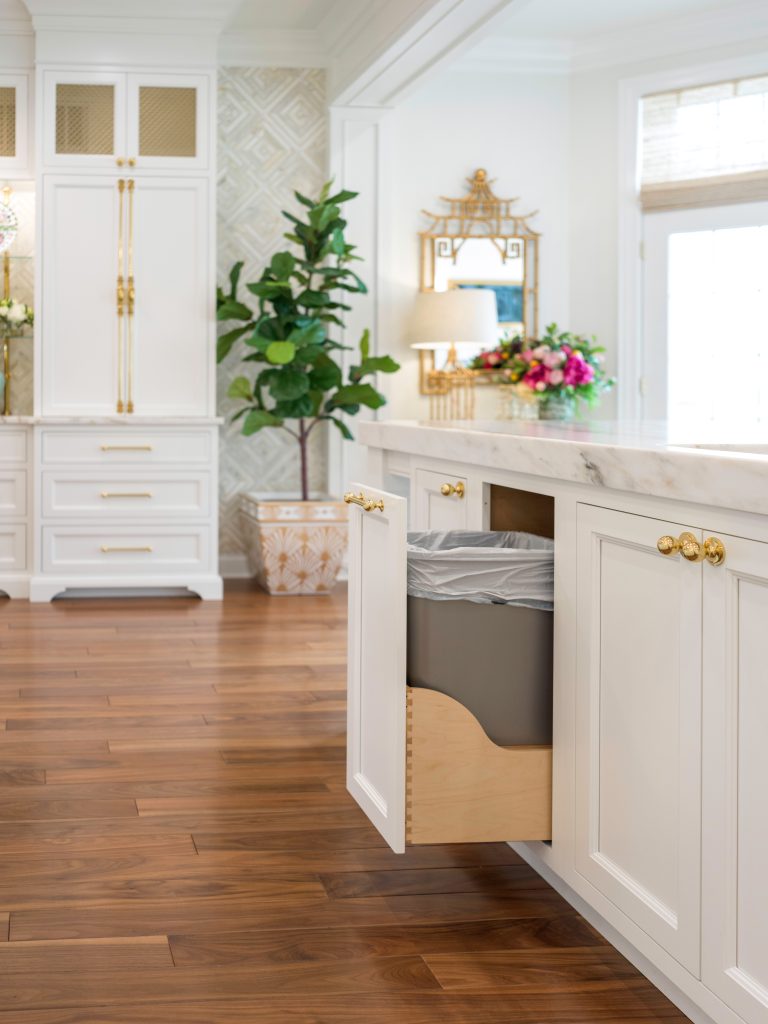
- Trash pull-out near both prep and clean-up zones
Custom cabinetry means we can design storage around how you actually cook.
No more digging.
No more searching. No more clutter.
Just smooth, intuitive movement.
6. Lighting Shapes the Mood
Even the best kitchen layout can feel off without the right lighting. Layered lighting helps a kitchen function day-to-night.
- Under-cabinet lighting for task work
- Soft overhead lighting for atmosphere
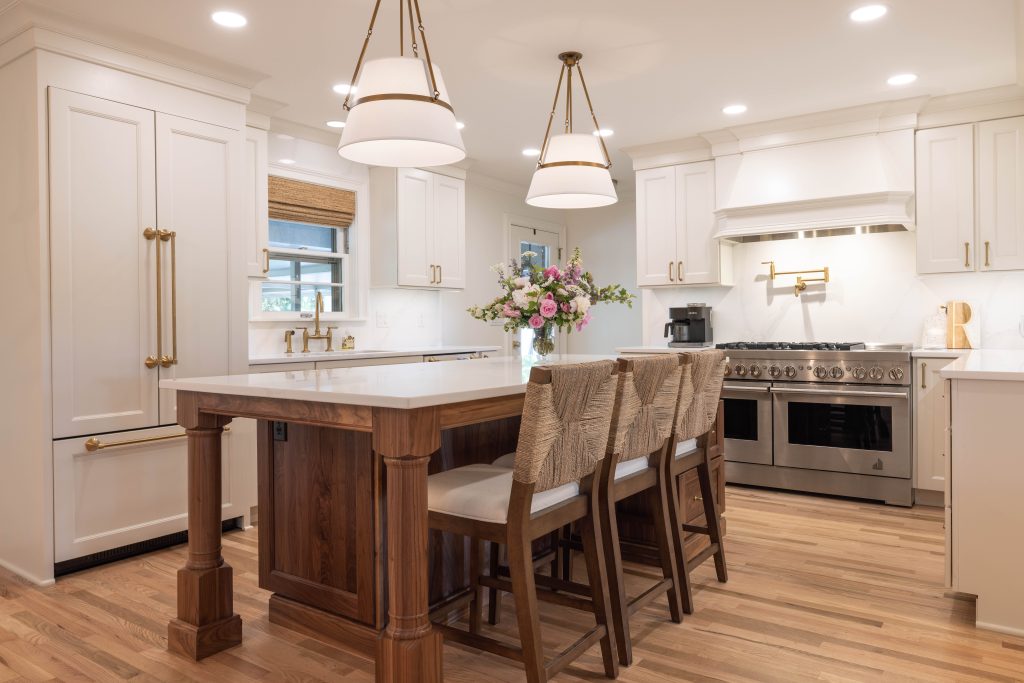
- Island pendants to anchor the space visually
Good lighting makes everything — including your cabinetry — look better.
When a Kitchen Feels Good, Life Feels Easier
A kitchen that’s designed thoughtfully supports your routines:
- Morning rushes
- Weeknight dinners
- Hosting friends
- Cooking with kids
- Coffee-and-quiet mornings
Every cabinet is made to order — so we’re able to tailor layout, sizing, storage, and style to create a kitchen that fits your daily life beautifully.
Your kitchen should work with you, not against you.